CO2 Measurements
Carbon dioxide (CO2) is a colorless gas produced by the combustion of all carbon-based fuels, such as methane (natural gas), petroleum distillates (gasoline, diesel, kerosene, propane), coal, wood and generic organic matter. Carbon dioxide is the most significant long-lived greenhouse gas in Earth's atmosphere. Although not a pollutant per se, CO2 can also be considered an indicator of ventilation, and several international norms indicate levels of CO2 that are recommended depending on different indoor space categories (EN 16798-1 and EN 16798-3, which replaced EN 15251 and EN 13779, and ASHRAE 62.1). See the reference levels below.
Reference levels
CO2 is not considered a pollutant at the concentrations normally found indoors, but it is a very good indicator of ventilation: people exhale CO2, so in an occupied space with poor ventilation, CO2 accumulates together with other pollutants, odours and airborne particles (including viruses). For reference:
- Outdoor air has around 420 - 430 ppm of CO2 (and it increases by ~2-3 ppm every year with human activity emissions). In cities, close to traffic, it can be somewhat higher
- Indoor air is always above the outdoor level when there are people inside. The difference with the outdoor level tells how well the space is ventilated
The European standard EN 16798-1 defines indoor environment categories based on the CO2 concentration above the outdoor level 1. The table also shows the approximate absolute values, assuming 420 ppm outdoors:
| Category | Expectation | CO2 above outdoors | Approx. absolute CO2 |
|---|---|---|---|
| I | High | ≤ 550 ppm | ≤ 970 ppm |
| II | Normal (new buildings and renovations) | ≤ 800 ppm | ≤ 1220 ppm |
| III | Moderate (acceptable) | ≤ 1350 ppm | ≤ 1770 ppm |
| IV | Low | > 1350 ppm | > 1770 ppm |
In practice, a simple classification is often used in schools, offices and homes, based on these standards:
| CO2 (ppm) | Ventilation |
|---|---|
| < 800 | Good |
| 800 – 1000 | Acceptable, consider ventilating |
| 1000 – 1500 | Poor: ventilate |
| > 1500 | Very poor: ventilate as soon as possible |
High CO2 levels are related to drowsiness, headaches and lower concentration, mostly because of the poor ventilation they indicate. Direct health effects of CO2 itself appear at much higher concentrations: the occupational exposure limit in the EU is 5000 ppm (8 hours average) 2.
Equivalent CO2
Some MOx sensors, like the CCS811, provide an equivalent CO2 (eCO2) value. This value is estimated from VOCs, not measured, so the levels above should not be used to interpret it.
Supported sensors
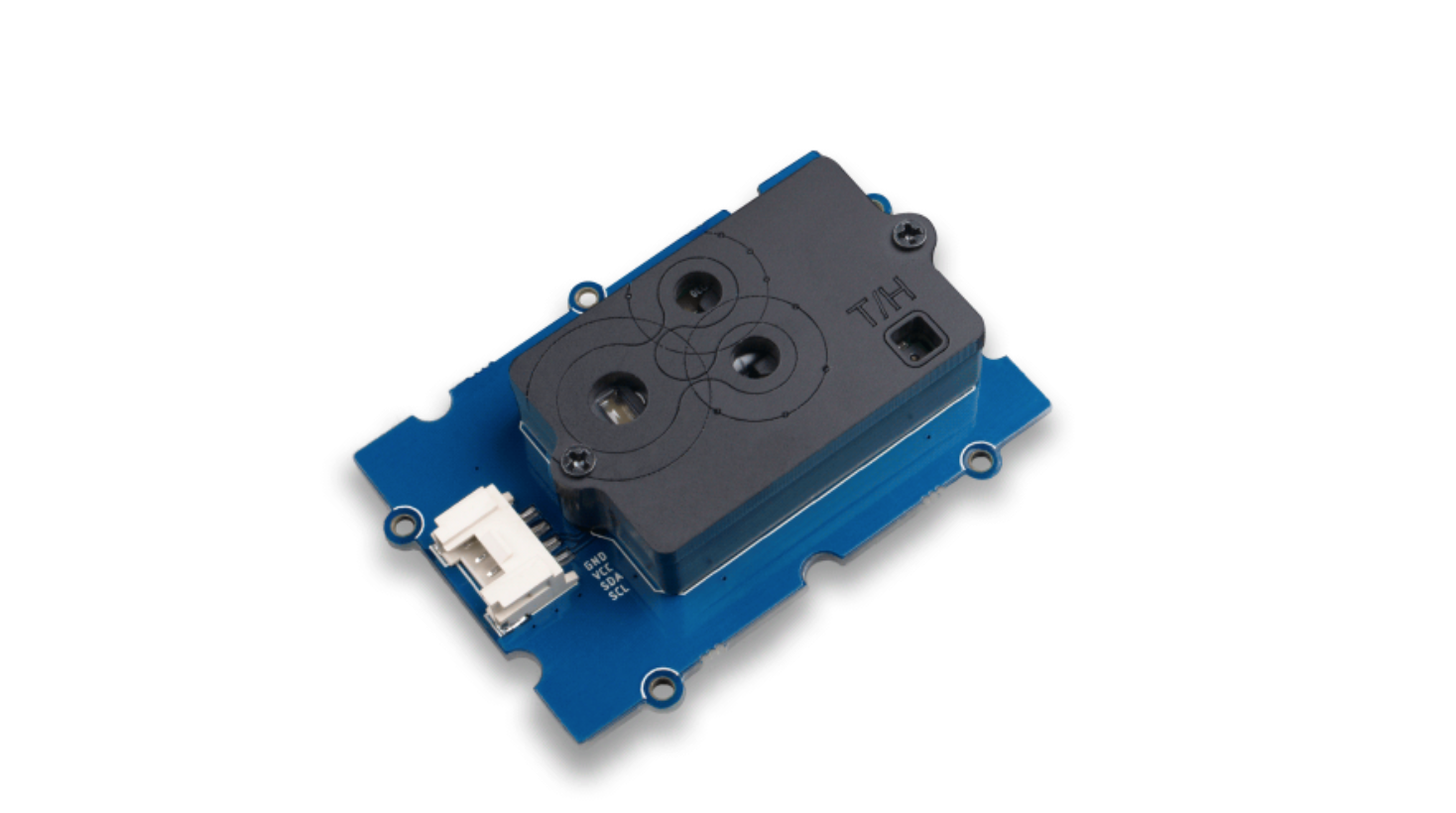
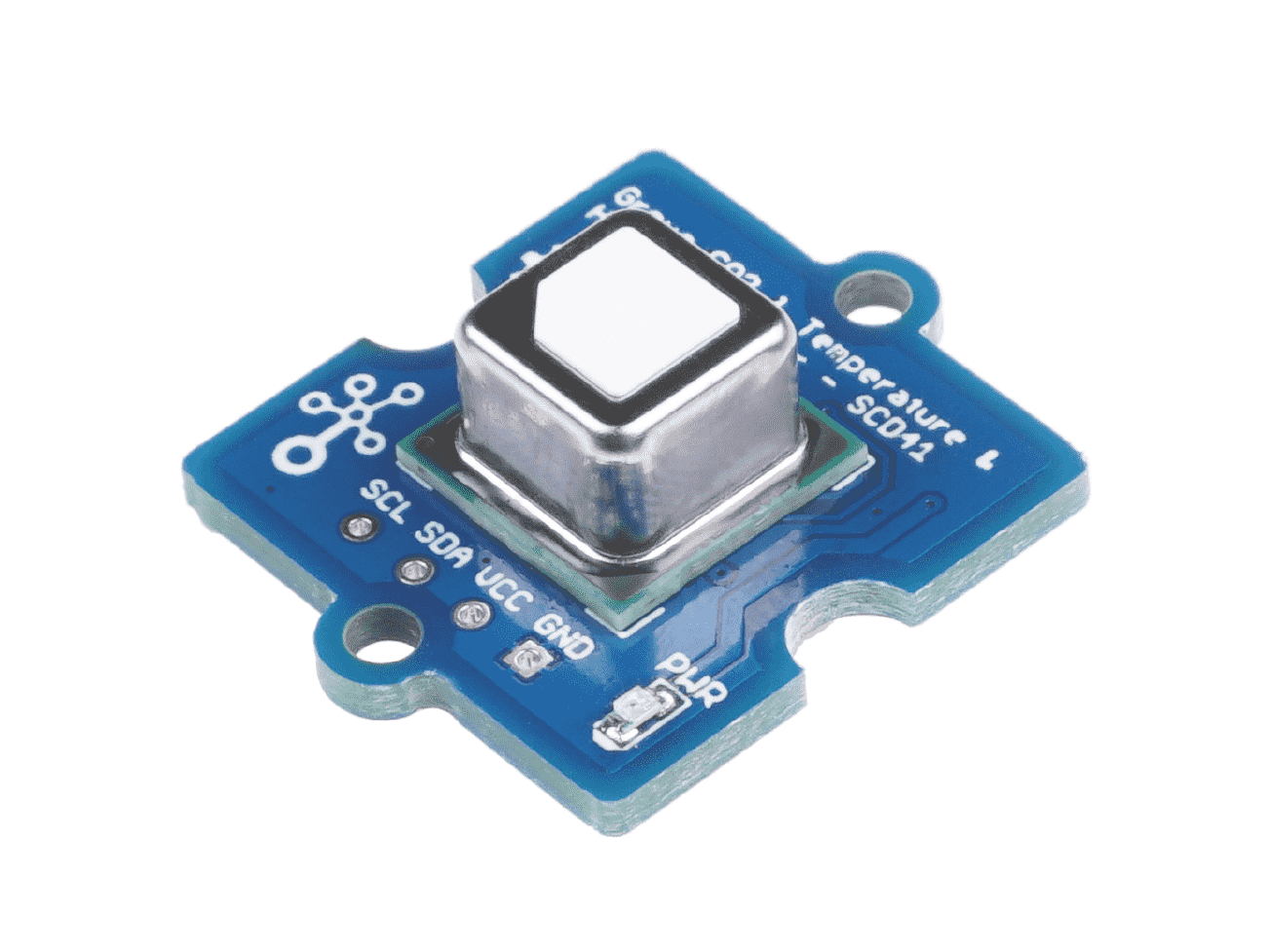
Most CO2 sensors in the low cost range are NDIR (NonDispersive InfraRed sensors), a type of sensor that emits light and uses infrared absorption to measure CO2. This is the principle that the SCD30 uses, which you can directly plug into the Auxiliary port of the Smart Citizen Kit (2.1 and above). There are some other types of sensor, for instance the SCD4X, a smaller photoacoustic NDIR sensor, which is supported from firmware V0.9.12 onwards and enabled by default in the sck23_air firmware build.
References
-
CEN. “EN 16798-1:2019 Energy performance of buildings - Ventilation for buildings - Part 1: Indoor environmental input parameters for design and assessment of energy performance of buildings addressing indoor air quality, thermal environment, lighting and acoustics.” 2019. ↩
-
Commission Directive 2006/15/EC of 7 February 2006 establishing a second list of indicative occupational exposure limit values. https://eur-lex.europa.eu/eli/dir/2006/15/oj. ↩