Temperature and Relative Humidty Measurements
Reference levels
Temperature and humidity have a big impact on comfort and health, and on how other pollutants behave (mould, dust mites, or the emission of VOCs from materials increase with temperature and humidity). The values below refer to indoor environments. Outdoors, what is good or bad depends a lot on the local climate, and heat warnings are generally based on local thresholds.
| Parameter | Reference | Value |
|---|---|---|
| Temperature | WHO Housing and Health Guidelines 1 | At least 18 ºC indoors during the cold season (higher for older people, children and people with chronic illness) |
| Temperature | EN 16798-1, category II, offices and homes 2 | 20 – 24 ºC in winter (heating), 23 – 26 ºC in summer (cooling) |
| Relative humidity | EN 16798-1, design values 2 | 25 – 60 %rh (category II), 30 – 50 %rh (category I) |
As a general orientation for relative humidity indoors:
| Relative humidity | Interpretation |
|---|---|
| < 30 % | Too dry: irritation of eyes and airways, static electricity |
| 30 – 60 % | Comfortable range |
| > 60 % | Too humid: higher risk of mould and dust mites, specially if it stays high for long periods or there is condensation on walls and windows |
Sensor placement
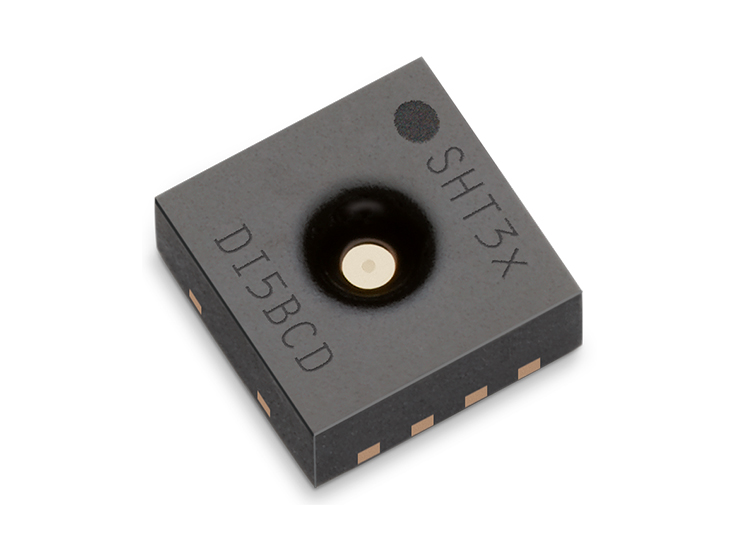
The heat of the electronics can make the readings of the kit's internal sensors higher than the real air temperature (and the humidity lower). Check the SHT3X page for the default offsets and how to correct them before comparing the readings with these values.
Supported Sensors
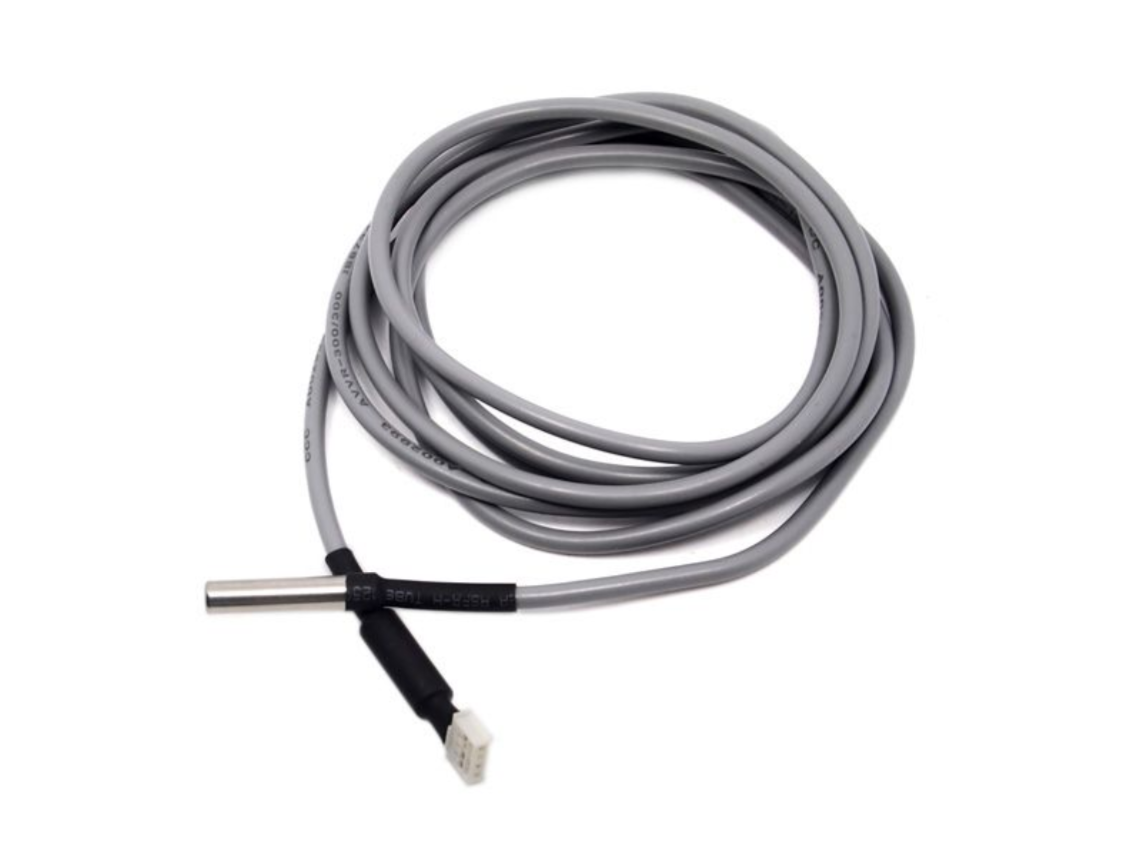
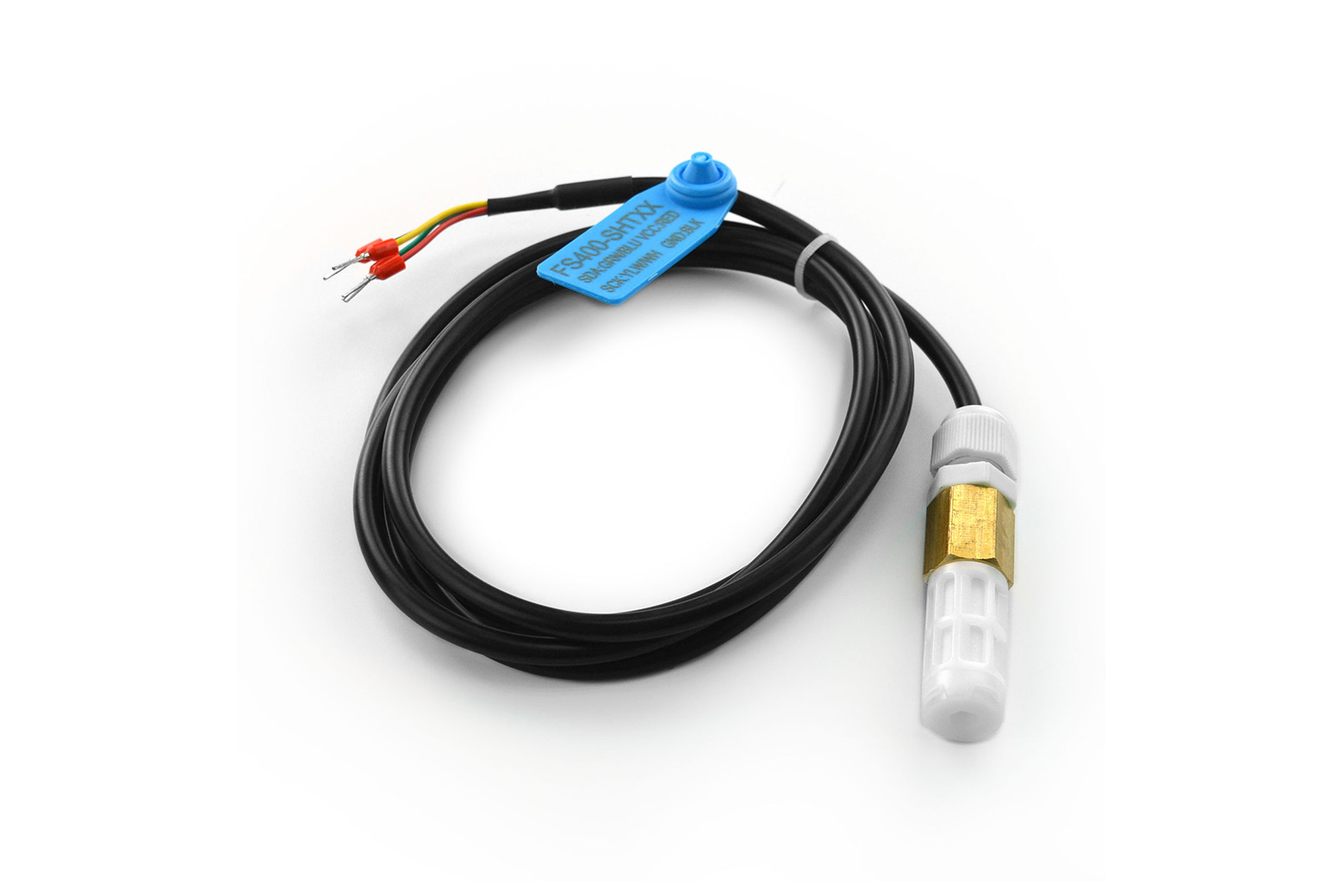
There are plenty of different temperature (and relative humidity sensors). In general, these do not necessarily go together, but many manufacturers have combined them in digital sensors.
References
-
World Health Organization. “WHO Housing and Health Guidelines.” Geneva: World Health Organization, 2018. https://www.who.int/publications/i/item/9789241550376. ↩
-
CEN. “EN 16798-1:2019 Energy performance of buildings - Ventilation for buildings - Part 1: Indoor environmental input parameters for design and assessment of energy performance of buildings addressing indoor air quality, thermal environment, lighting and acoustics.” 2019. ↩↩